

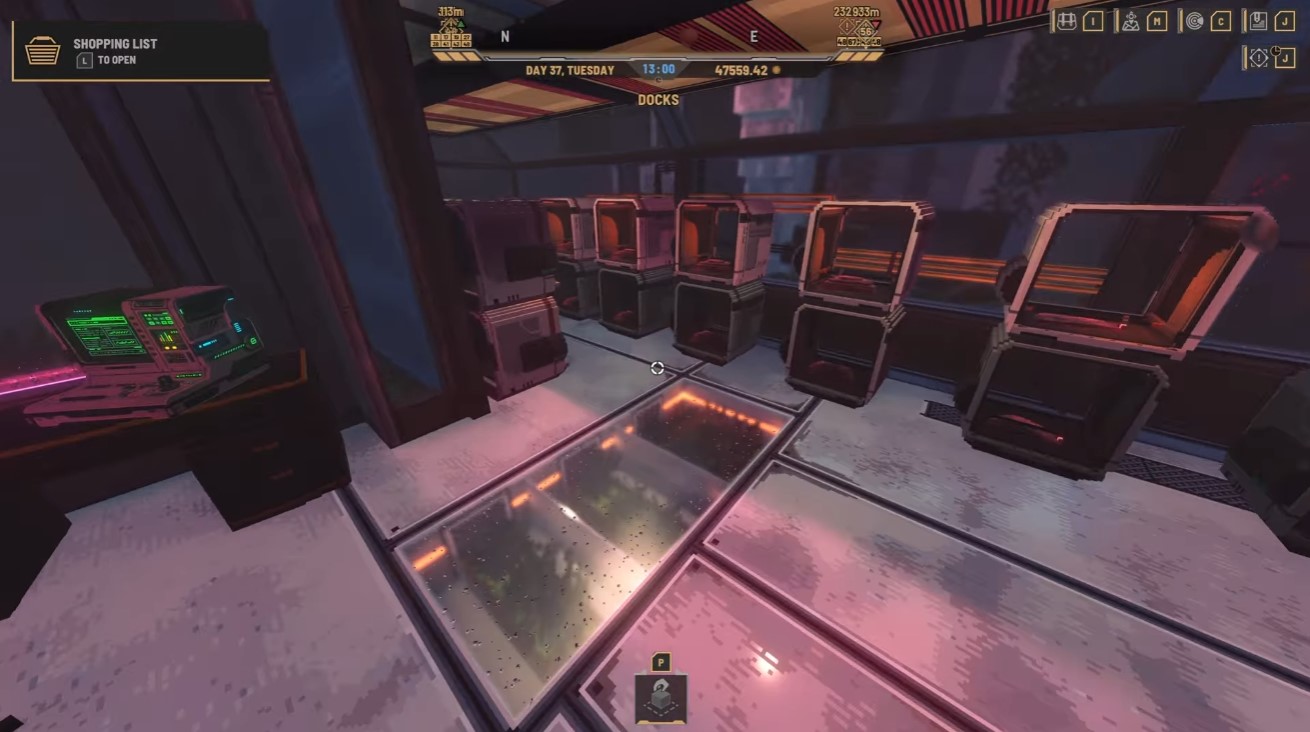
Greenhouses in Nivalis Nights are one of those systems that quietly punishes you if you eyeball it. Every crop pulls its own ideal temperature, humidity, and light values, and once you’re juggling dozens of produce types across multiple plots, matching them by feel alone starts costing you. So I want to walk you through how I split every item into efficient greenhouse layouts — grouped by type, tuned to the sweet spot of each category, with the exact stats you need to dial in.
The groupings below were optimized to minimize overall distance between each crop’s ideal values and the greenhouse settings, computed across ten million random starting seeds to land on the tightest fit. In practice, that means a Generic house handles all your standard vegetables, a separate Dairy house handles cheese and cream, and so on. Here’s how I break each plot down.
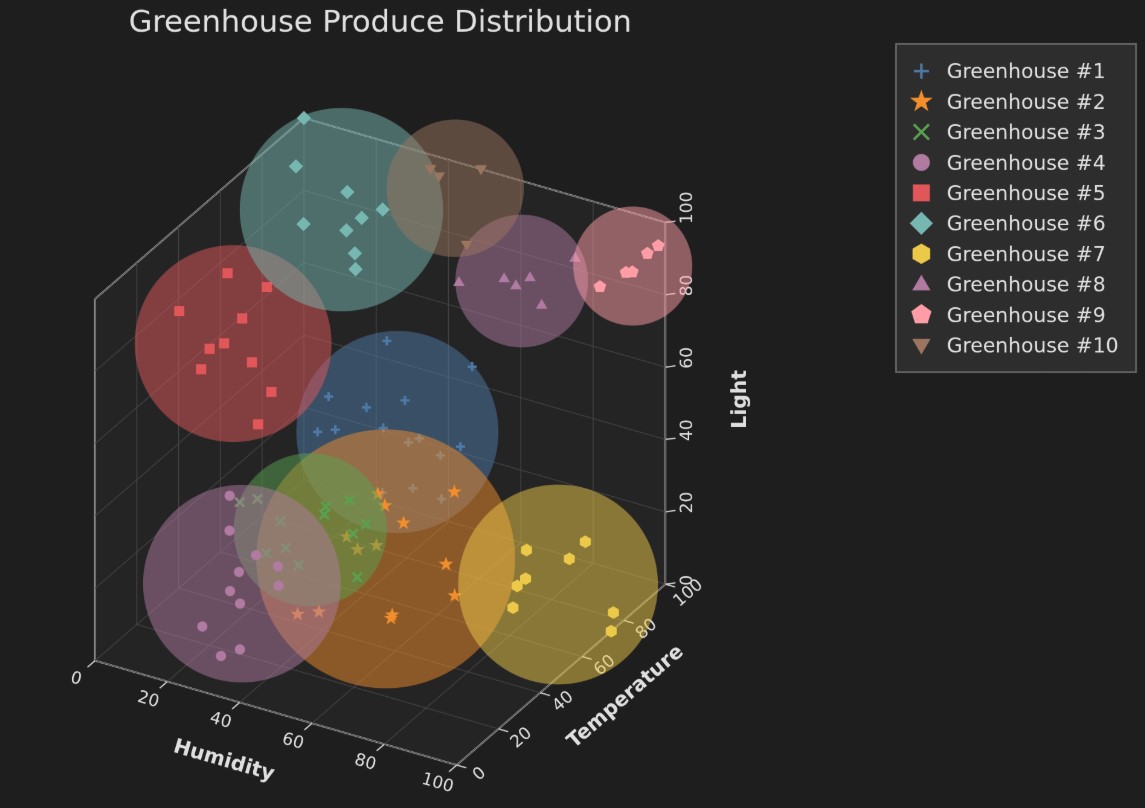
Image: ripπ
Greenhouse #1 — Generic Vegetables
This is your bread-and-butter vegetable greenhouse, and it needs to be set to Temperature 53, Humidity 53, and Light 52. It holds 15 produce types, which is a hefty load — but these vegetables sit close enough together that one house handles them all comfortably.
| Property | Value |
|---|---|
| Temperature | 53 |
| Humidity | 53 |
| Light | 52 |
| Produce Count | 15 |
The produce tied to this house:
- Asparagus (T: 57, H: 55, L: 35)
- Bok Choy (T: 51, H: 37, L: 49)
- Cabbage (T: 41, H: 56, L: 60)
- Cucumber (T: 65, H: 58, L: 41)
- Green Beans (T: 52, H: 45, L: 57)
- Leek (T: 39, H: 39, L: 55)
- Okra (T: 68, H: 65, L: 66)
- Peas (T: 59, H: 67, L: 49)
- Red Beans (T: 67, H: 47, L: 52)
- Spinach (T: 41, H: 63, L: 58)
- Eggplant (T: 44, H: 54, L: 40)
- Lettuce (T: 62, H: 60, L: 31)
- Sweet Peppers (T: 46, H: 38, L: 61)
- Chili Pepper (T: 41, H: 66, L: 60)
- Broccoli (T: 67, H: 42, L: 67)
Greenhouse #2 — Dairy
Dairy is its own beast. These items want cool temperatures and much higher humidity, and cramming them in with vegetables wastes efficiency on both sides. Set this one to Temperature 11, Humidity 74, and Light 44. It fits 13 produce types.
| Property | Value |
|---|---|
| Temperature | 11 |
| Humidity | 74 |
| Light | 44 |
| Produce Count | 13 |
- Cheddar (T: 21, H: 68, L: 52)
- Mozzarella (T: 25, H: 85, L: 30)
- Feta (T: 8, H: 65, L: 49)
- Blue Cheese (T: 17, H: 68, L: 43)
- Cheese (T: 5, H: 59, L: 28)
- Cream Cheese (T: 11, H: 93, L: 68)
- Parmesan (T: 1, H: 72, L: 51)
- Tofu (T: 28, H: 62, L: 50)
- Butter (T: 2, H: 81, L: 35)
- Cream (T: 0, H: 56, L: 29)
- Sour Cream (T: 7, H: 93, L: 50)
- Whipped Cream (T: 17, H: 72, L: 24)
- Yogurt (T: 4, H: 83, L: 60)
Greenhouse #3 — Generic, Herb, and Meat
Here’s where things get a little mixed. This house combines a few leftover generic vegetables with a large herb roster and a single meat item, Pork. Configure it to Temperature 32, Humidity 41, and Light 32 — 12 produce in total. I’d treat this as a catch-all for the odds and ends that didn’t fit the bigger dedicated houses.
| Property | Value |
|---|---|
| Temperature | 32 |
| Humidity | 41 |
| Light | 32 |
| Produce Count | 12 |
Generic:
- Tomato (T: 37, H: 50, L: 31)
- Pepper (T: 49, H: 42, L: 32)
- Celery (T: 38, H: 53, L: 34)
Herb:
- Mountain Flower (T: 31, H: 27, L: 37)
- Bean Sprouts (T: 37, H: 42, L: 34)
- Basil (T: 23, H: 38, L: 38)
- Coriander (T: 16, H: 47, L: 32)
- Ginger (T: 39, H: 50, L: 18)
- Parsley (T: 29, H: 36, L: 27)
- Fennel (T: 36, H: 43, L: 37)
- Osmanthus (T: 26, H: 25, L: 38)
Meat:
- Pork (T: 23, H: 34, L: 28)
Greenhouse #4 — Herb and Meat
Low light is the story here — Light 15 — paired with Temperature 27 and Humidity 25. This house holds 11 produce types, mostly herbs that prefer shade with a handful of cooler meats alongside them.
| Property | Value |
|---|---|
| Temperature | 27 |
| Humidity | 25 |
| Light | 15 |
| Produce Count | 11 |
Herb:
- Rosemary (T: 39, H: 22, L: 16)
- Chervil (T: 29, H: 34, L: 16)
- Mint (T: 35, H: 17, L: 33)
- Nettle (T: 46, H: 24, L: 10)
- Oatstraw (T: 28, H: 21, L: 28)
- Thyme (T: 36, H: 19, L: 12)
- Garlic (T: 30, H: 20, L: 10)
Meat:
- Beef (T: 17, H: 25, L: 0)
- Pork Belly (T: 7, H: 36, L: 10)
- Chicken (T: 15, H: 21, L: 8)
- Duck (T: 14, H: 32, L: 18)
Greenhouse #5 — Roots
Roots need a massive amount of light — Light 80 — but modest humidity. Set Temperature 28 and Humidity 22. This single-purpose house fits 10 produce types, and I find it one of the most satisfying plots to max out because the values are so consistent within the group.
| Property | Value |
|---|---|
| Temperature | 28 |
| Humidity | 22 |
| Light | 80 |
| Produce Count | 10 |
- Onion (T: 41, H: 17, L: 79)
- Radish (T: 23, H: 10, L: 88)
- Potato (T: 29, H: 32, L: 69)
- Yam (T: 39, H: 25, L: 91)
- Taro Root (T: 41, H: 8, L: 68)
- Water Chestnut (T: 18, H: 33, L: 83)
- Sweet Potato (T: 14, H: 37, L: 69)
- Lotus Root (T: 15, H: 27, L: 88)
- Carrot (T: 30, H: 12, L: 69)
- Beetroot (T: 34, H: 17, L: 95)
Greenhouse #6 — Cereals
Cereal is a hot, dry, bright affair: Temperature 92, Humidity 15, Light 83. Nine produce types go in here. Expect high heat demands across the board — Corn, Buckwheat, and Pearl Barley all push 100 on temperature, so keep this house running hot.
| Property | Value |
|---|---|
| Temperature | 92 |
| Humidity | 15 |
| Light | 83 |
| Produce Count | 9 |
- Corn (T: 100, H: 16, L: 77)
- Rice (T: 86, H: 8, L: 80)
- Soy Beans (T: 91, H: 27, L: 87)
- Wheat (T: 84, H: 21, L: 83)
- Bamboo (T: 95, H: 17, L: 70)
- Lemongrass (T: 91, H: 3, L: 92)
- Buckwheat (T: 100, H: 0, L: 100)
- Pearl Barley (T: 100, H: 12, L: 83)
- Rye (T: 78, H: 27, L: 77)
Greenhouse #7 — Mushrooms
Mushrooms are the opposite of cereals — they want heat and humidity but almost no light. Set Temperature 78, Humidity 83, Light 6. Eight produce types live here, and every single one of them sits low on light, so don’t let any sunlight creep in.
| Property | Value |
|---|---|
| Temperature | 78 |
| Humidity | 83 |
| Light | 6 |
| Produce Count | 8 |
- Enoki Mushroom (T: 72, H: 74, L: 0)
- King Mushroom (T: 75, H: 76, L: 15)
- Black Mushroom (T: 82, H: 96, L: 0)
- Straw Mushrooms (T: 99, H: 74, L: 0)
- Shiitake Mushroom (T: 72, H: 94, L: 24)
- Black Moss Mushroom (T: 74, H: 100, L: 0)
- Magic Mushroom (T: 74, H: 74, L: 5)
- Ma Gomba’s Morels (T: 78, H: 74, L: 5)
Greenhouse #8 — Fruit and Hydro
Fruit plus a couple of hydro items share this bright, warm house. Configure it to Temperature 90, Humidity 66, Light 79 — six produce total. This is a smaller, tightly tuned plot, so I wouldn’t try to wedge extra items in without checking their values against these numbers first.
| Property | Value |
|---|---|
| Temperature | 90 |
| Humidity | 66 |
| Light | 79 |
| Produce Count | 6 |
Fruit:
- Grapes (T: 79, H: 55, L: 81)
- Lemon (T: 94, H: 66, L: 78)
- Dates (T: 92, H: 60, L: 77)
- Cherries (T: 89, H: 65, L: 78)
Hydro:
- Shellfish (T: 100, H: 75, L: 83)
- Oyster (T: 84, H: 75, L: 78)
Greenhouse #9 — Hydro
Pure hydro prefers extreme heat, near-saturation humidity, and strong light. Set Temperature 93, Humidity 95, Light 90. Five produce types go here — Scallops and Mussels both want maximum temp, so keep this plot hot and wet.
| Property | Value |
|---|---|
| Temperature | 93 |
| Humidity | 95 |
| Light | 90 |
| Produce Count | 5 |
- Clam (T: 88, H: 96, L: 91)
- Scallops (T: 100, H: 95, L: 90)
- Sea Urchins (T: 79, H: 94, L: 91)
- Seaweed (T: 98, H: 92, L: 85)
- Mussels (T: 100, H: 98, L: 93)
Greenhouse #10 — Fruit
The final house is pure fruit, and it runs hot and bright with moderate humidity: Temperature 98, Humidity 43, Light 94. Only four produce types — Orange, Olives, Apple, and Avocado — but small does not mean simple here. Olives and Apple both cap out at 100 light, so this plot needs to stay genuinely sunny.
| Property | Value |
|---|---|
| Temperature | 98 |
| Humidity | 43 |
| Light | 94 |
| Produce Count | 4 |
- Orange (T: 100, H: 45, L: 78)
- Olives (T: 92, H: 42, L: 100)
- Apple (T: 100, H: 49, L: 100)
- Avocado (T: 100, H: 35, L: 96)
Fitting Everything Into Fewer Plots
Not everyone wants to build out all ten houses. If you’re running a leaner setup, you can compress the same produce into fewer plots by merging categories that already share close values. These alternative layouts are worth considering when space or materials are tight — and if you’re pairing the farm work with other pursuits, my all quests guide can help you plan the rest of your playthrough around it.
Nine-greenhouse layout (all categories, condensed):
| # | Temperature | Humidity | Light | Count | Produce |
|---|---|---|---|---|---|
| 1 | 53 | 53 | 52 | 15 | Generic |
| 2 | 11 | 74 | 44 | 13 | Dairy |
| 3 | 32 | 41 | 32 | 12 | Generic, Herb, Meat |
| 4 | 27 | 25 | 15 | 11 | Herb, Meat |
| 5 | 28 | 22 | 80 | 10 | Root |
| 6 | 93 | 17 | 85 | 10 | Cereal, Fruit |
| 7 | 92 | 59 | 84 | 9 | Fruit, Hydro |
| 8 | 78 | 83 | 6 | 8 | Mushroom |
| 9 | 93 | 95 | 90 | 5 | Hydro |
Eight-greenhouse layout (tighter still):
| # | Temperature | Humidity | Light | Count | Produce |
|---|---|---|---|---|---|
| 1 | 49 | 50 | 46 | 19 | Generic, Herb |
| 2 | 27 | 29 | 21 | 18 | Herb, Meat |
| 3 | 11 | 74 | 44 | 13 | Dairy |
| 4 | 92 | 19 | 86 | 11 | Cereal, Fruit |
| 5 | 28 | 22 | 80 | 10 | Root |
| 6 | 90 | 62 | 80 | 9 | Generic, Fruit, Hydro |
| 7 | 78 | 83 | 6 | 8 | Mushroom |
| 8 | 93 | 95 | 90 | 5 | Hydro |
Notice how the condensed layouts shuffle Okra — in the ten-house setup it sits in the Generic house, but in the eight-house version it gets pulled into the fruit-and-hydro mix, because its values (T: 68, H: 65, L: 66) happen to line up better with high-90s heat and strong light. That’s the kind of trade-off you make when squeezing categories together, and it’s worth checking before you commit to a smaller build.
My honest advice: start from whichever layout matches how much you actually want to build, then verify each item against the greenhouse’s own stats. The values here are already optimized for minimum overall distance, but nothing beats confirming the numbers line up in your own save before you load a plot up.
Conclusion
Setting each greenhouse to these exact values takes a little upfront fiddling, but once the numbers are dialed in, the produce basically runs itself. Pick the ten-house spread if you have the room, or lean on the condensed layouts when you’d rather keep things compact — either way, you’ll be growing at peak efficiency without second-guessing the dials.