
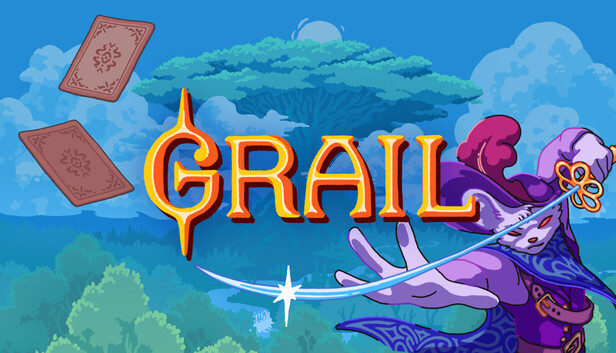
Grail is a deckbuilding autobattler where each turn is one day. You make one decision per day, fight a monster at the halfway point, and face a real player’s ghost on the final day. Six wins total wins the run. Cards auto-play from the top of your deck; energy fills bubbles to trigger the card. Run out of cards and you skip an entire turn to shuffle. Sell cards for gold, but thicker decks get first-turn advantage and avoid shuffle penalties. Burn damages on discard, Poison hits on shuffle (double damage vs. shields), Shock triggers when the opponent gains energy. Traits are passive upgrades bought in shops or earned from events. Trophies from wins unlock characters and lore. No real-money character purchases exist.
What Grail Actually Is Before You Start
I came into Grail expecting a typical deckbuilder where I control every card play. That’s not it. Grail is an autobattler at its core—you build the deck, set the priorities, then watch the system execute your strategy. The creators of Stacklands built something that rewards preparation over reaction.
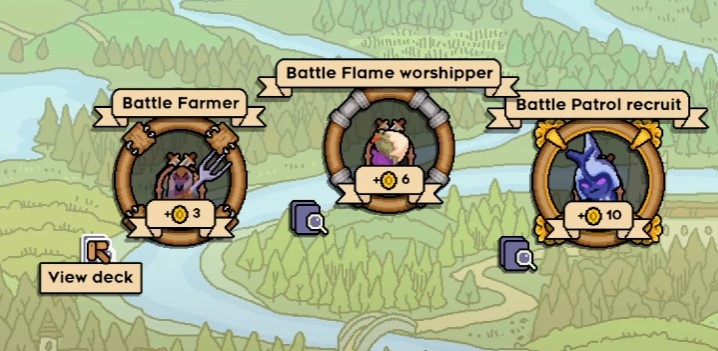
The run structure is simple: each day, you pick one event or shop stop. Halfway through, you fight a monster. Win and you take one of their cards. The final day pits you against another player’s ghost—an asynchronous snapshot of their deck. Six victories end the run.
What caught me off guard was the shuffle mechanic. When your deck empties and needs to reshuffle, you lose an entire turn. I ran a hyper-thin deck thinking efficiency would win. It didn’t. The shuffle penalty punished me hard. Thicker decks aren’t just viable—they’re strategically superior because they delay that dead turn and give you first-move advantage.
Combat Mechanics: How Fights Actually Resolve
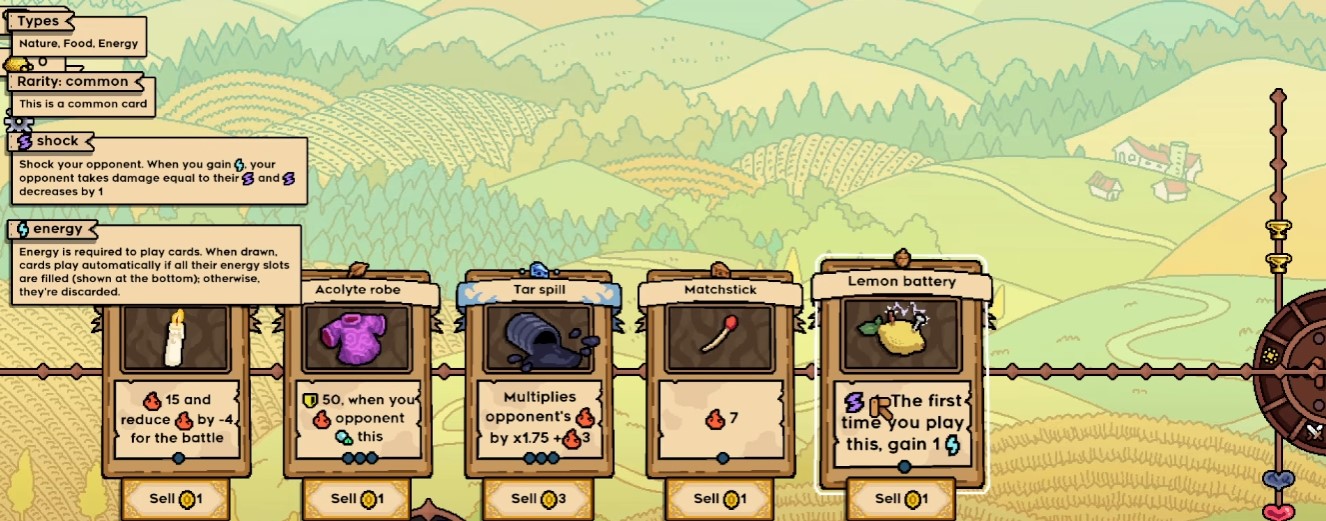
Battles run themselves. Each turn, the top card of your deck is drawn. Cards need energy to fill bubbles at the bottom of the card. Fill all bubbles and the card plays. Zero-bubble cards fire instantly.
Here’s the trap I kept falling into: if you lack energy, the card partially charges, then goes to the discard pile. It retries next cycle. That sounds fine until you realize your big damage card keeps getting delayed because your cheap cards are eating your energy pool. Sequencing matters more than raw card quality.
Status effects define the meta:
| Effect | Trigger | Notes |
|---|---|---|
| Burn | On discard | Stacking damage, decreases by 1 per trigger |
| Poison | On shuffle | Twice as effective against shields |
| Shock | When opponent gains energy | Punishes energy generation |
| Heal | On play | Removes 10% of heal value in burn |
The sandstorm effect is worth knowing about. After a certain point in any fight, constant damage kicks in. This prevents infinite stall strategies. I tried a pure shield build once, thinking I could outlast everything. The sandstorm ended that experiment quickly.
Deck Building: What I Learned About Card Types and Stickers
Cards come in types: food, clothing, cheese, action, weapon, damage, shield, burn. Some cards carry an “all types” tag, which opens synergy across categories. I built my first winning deck around these multi-type cards before I fully understood why they mattered.
Stickers modify how cards behave. Lock stickers prevent removal—useful if you want to protect a key card from event-based sacrifices. Sorting stickers control draw order. I use these to guarantee my opener lands a specific card. The “always sort this card on top” sticker turned my early game around.
Upgrading cards happens at an anvil or blacksmith. Upgrades add blister cards or improve stats. The altar lets you enchant cards, but it costs 40% of your max health. I skipped enchanting for my first several runs. The health cost is brutal early when you’re still learning damage curves.
Selling cards generates gold. I sold aggressively in my first runs and regretted it. Deck thickness has real benefits beyond avoiding shuffle penalties. Find the balance between economy and combat readiness.
Traits and Synergies: The Passive System That Defines Builds
Traits are passive upgrades. You buy them in shops or earn them through events. They shape your entire build direction.
Some traits I’ve found genuinely impactful:
- Burn on block: Whenever you block damage, burn cards gain burn equal to 3% of the block damage
- Shield scaling: Shield cards gain shield equal to a percentage of your poison
- Triple burn: Burn cards apply three burns instead of one
- Full health shield: While at full health, gain an additional 20 shield when shielding
Traits upgrade over time. A trait at 1% effectiveness can improve to 2%. Some traits only trigger before or after turn 20, which changes how you time your aggression.
Trait slots are limited. Some rewards grant extra slots, which is why I prioritize slot expansion events when they appear. A single powerful trait can outperform three mediocre ones.
Tip: Read trait timing carefully. A trait that triggers after turn 20 is dead weight in a fast deck that ends fights by turn 15. Match trait timing to your deck’s actual pace.
Economy and Events: Where I Spend Gold and What I Skip
Gold comes from selling cards, winning fights, and completing events. Losing a fight still grants +5 gold, so don’t feel devastated by early defeats.
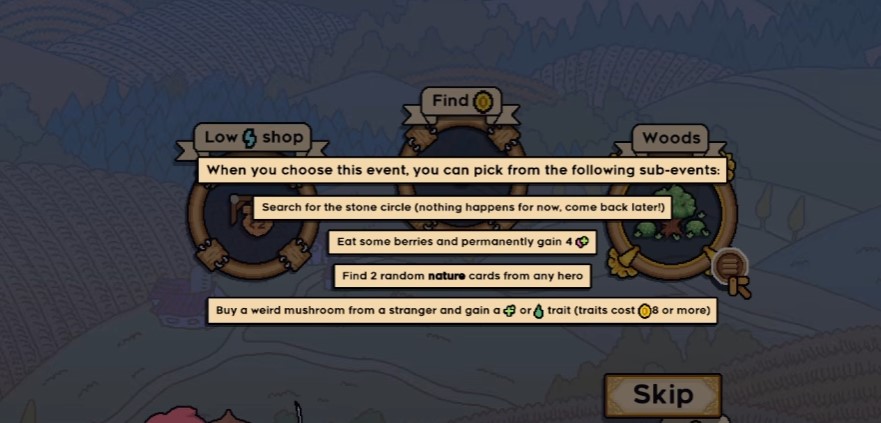
Events vary widely:
- Farmer tasks: Mundane work for gold or health
- Farmland exploration: Risk-reward discovery
- Stone circles: Return later for better rewards—I always mark these
- Shops: Cards, traits, or upgrades for purchase
Some events cost health. Others sacrifice random cards. I lost a key card to a sacrifice event early on and learned to check what’s being asked before committing. Lock stickers protect against this if you have them.
Skipping events can yield 2 gold with certain traits. The shop refreshes inventory daily, so check back regularly.
Progression and Unlocks: What Keeps You Playing
Winning runs grants trophies. Trophies unlock new characters and card lore. Characters are never sold for real money—everything comes from playing. This is a refreshing system in a genre that often gates content behind purchases.
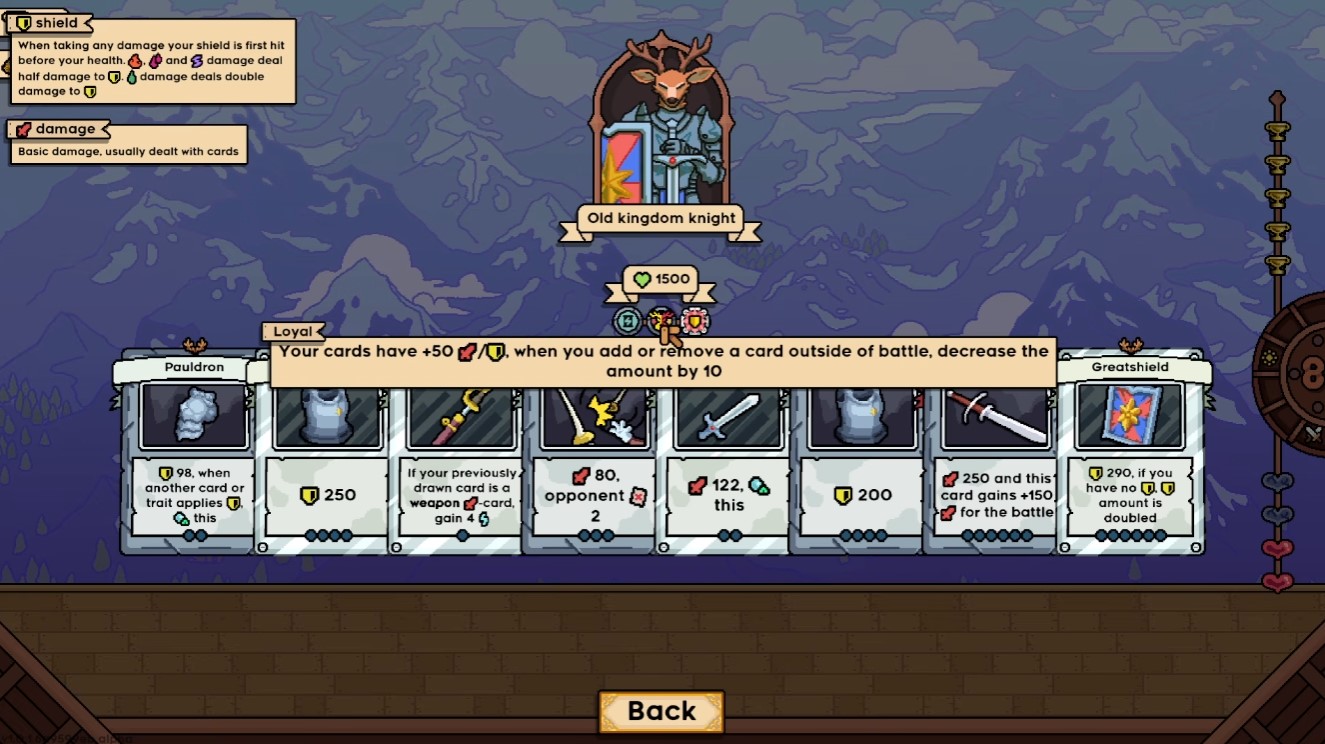
The season system has a reward track. Reaching 40 trophies in a season grants a specific reward. I treat this as a long-term goal rather than something to rush.
Endless mode exists but starts locked. You must unlock it through normal play. New cards discovered during runs add to your collection and unlock lore entries. This discovery loop kept me engaged beyond my first wins.