
It is built for players who already know the rules and want a deck that wins the early game — the 20-10-10 split, a two-element core, cheap creatures, and the spells that keep you mobile and strip your opponent’s gear.
What Your Deck Needs Before You Pick a Single Card
Two decisions shape everything else: how many cards of each type you run, and which elements you commit to. Get those wrong and no individual card choice saves the deck.
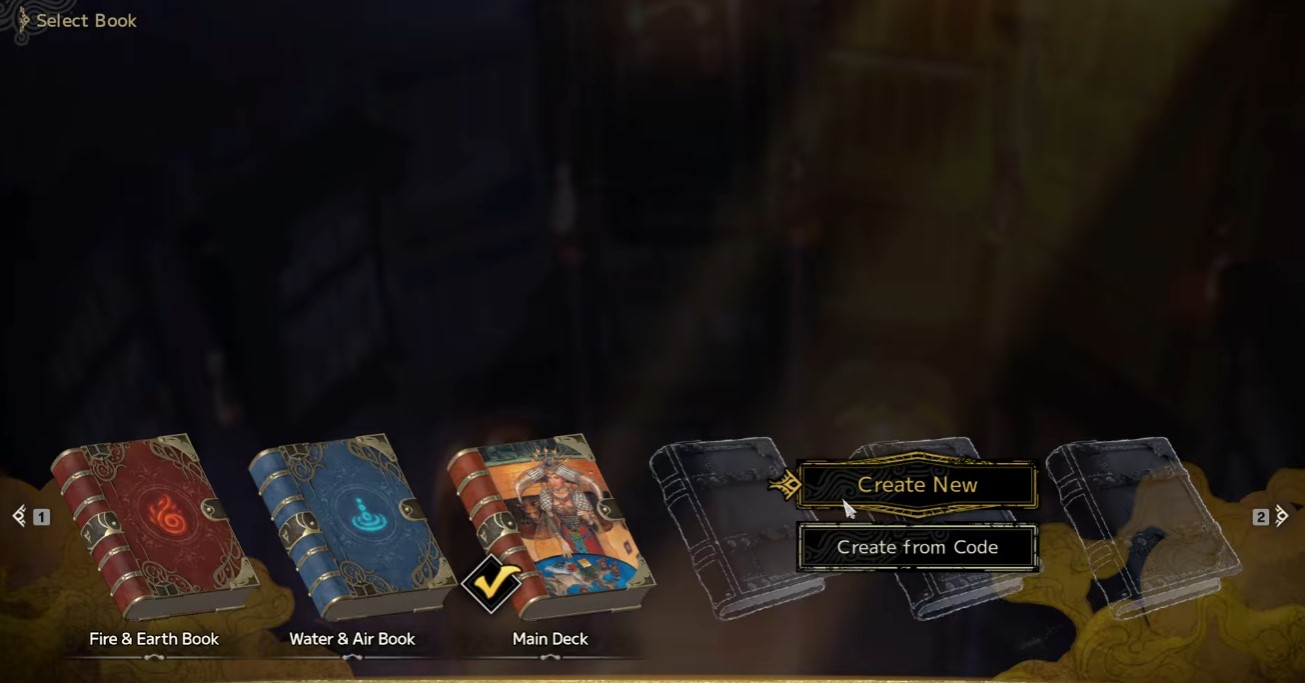
The 20-10-10 Split
Build around roughly 20 creatures, 10 items, and 10 spells. Creatures are your board presence and your income, so they get the bulk of the slots. Items and spells are support — enough to matter, not so many that you draw hands with nothing to summon.
Commit to Two Elements
Pick two elements and build within them rather than spreading across all four. A dual-element deck draws more consistently and lets you stack lands for the creatures you actually hold. For the early game, wind and water are the recommended pairing.
If you are unsure where to start, build wind and water with cheap creatures first. You can branch out once your land base and card pool grow.
Deck Building Fundamentals
Your first matches in Culdcept Begins are won or lost before you ever roll the dice. A deck that draws nothing but creatures stalls on defense; one stuffed with spells leaves you unable to hold land. The fix is a simple card-count baseline and a disciplined element choice while your collection is still thin.
The 20-10-10 Baseline
Start every new deck from 20 creatures, 10 items, and 10 spells. That split keeps your draws balanced so you can summon, equip, and cast without long dead stretches.
- Treat the numbers as a starting point, not a law. Running 20–22 creatures, 7–8 items, and 12–13 spells is fine once you know what your deck is trying to do.
- Lean toward more creatures when your card pool is shallow — bodies on the board win land, and land wins the match.
- Trim items first if you find yourself holding equipment with nothing to attach it to.
Stick to Two Elements
Build around a pair of elements rather than one or all of them. A single-element deck is too limited early because your card pool can’t fill every slot well, and triple or all-element decks draw inconsistently — you end up with cards you can’t afford to cast on the land you hold.
- Pick a duo such as Water and Wind and commit to it.
- Build off the two starter decks where possible; both are already dual element, so they give you a working foundation to edit instead of starting from scratch.
- Resist splashing a third element for one tempting card — the consistency loss usually outweighs the payoff this early.
If a match feels like you’re always one element short of casting your hand, that’s the sign your deck drifted past two elements. Cut back before adding anything new.
Creature Selection: Cheap Bodies First, Wind and Water Payoff
Culdcept Begins hands you more mana per turn than older entries in the series, and that changes the math on creature costs. You can afford a slightly heavier curve than you might expect — but the opening turns still punish any hand stuffed with 80+ mana monsters. The goal here is a creature base that hits the board early and holds territory, with a few expensive threats saved for when the board is already yours.
Keep the Summoning Curve Low
Treat anything under 60 mana as your working core. Those are the creatures you want to see in your opening hand, because they let you claim and defend land before opponents start contesting tiles. High-cost creatures are not banned — they just should not be the bulk of the deck.
- Prioritize creatures you can reliably summon in the first few turns.
- Cap creatures at 80+ mana so they do not clog your hand and stall your land grab.
- Aim for roughly 20–30% of your creature slots at over 60 mana — enough late-game punch without dead draws.
Extra mana per turn is a safety net, not a license to overload on big creatures. A hand full of expensive summons still loses the early board.
Wind Creatures: Cheap Bodies and First Strike
Wind carries the early-game load. These picks are cheap, and several of them punish the exact creatures opponents like to defend with.
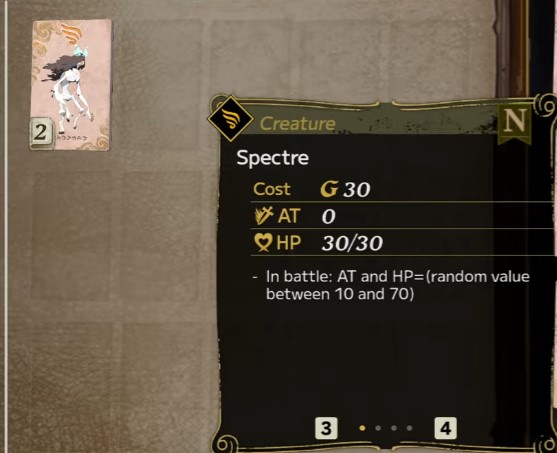
- Spectres (2 copies) — low cost with solid HP for the price.
- Sprites (3 copies) — take no damage from creatures whose max HP is over 40, making them a hard wall against big monsters.
- Hurricane (3 copies) — first strike, which matters most when you are the one defending.
- Little Push Pull (1 copy) — double attack plus first strike in one package.
- Corn Folk (1 copy) — refunds mana when it dies, softening the cost of losing a tile.
- Round out the element with Knight and Mas for additional bodies.
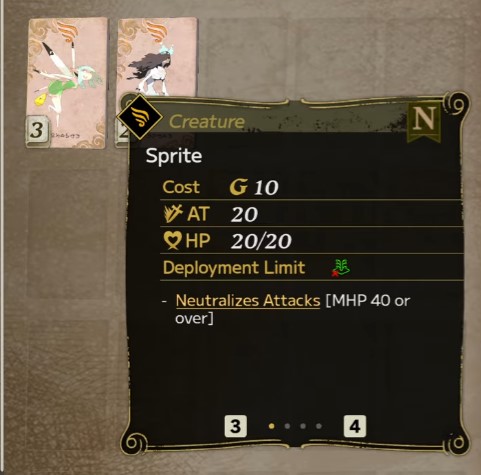
Sprites are the standout: high-HP decks are common, and a creature that ignores damage from anything over 40 max HP flips those matchups without costing you much mana.
Water Creatures: Defense and Big Payoff
Water supplies your defensive anchor and the expensive threats that close games. The trick is mixing them in without wrecking the low curve above.
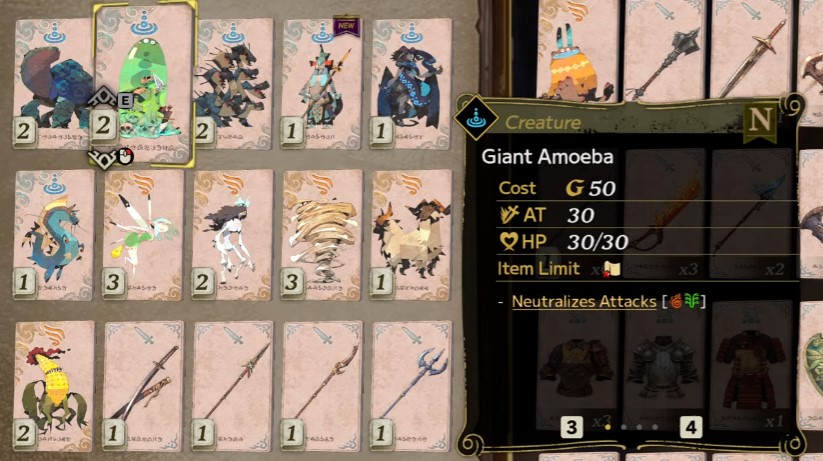
- Lilith — a big Water threat for the late game.
- Kelpie — run every copy you own.
- Triton — another heavy hitter to round out the top end.
- Hydra — brings regeneration, so it sticks around through repeated fights.
- Giant Eel — neutralizes attacks from Earth and Air creatures, a clean answer to those elements.
- Amoeba (2 copies) — cheap, and it neutralizes attacks, giving you early defense at low cost.
- King Tortoise — your defensive wall when a tile absolutely must hold.
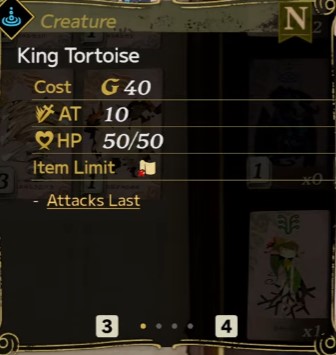
Do not stack every big Water creature at once. Expensive monsters are easy to counter, so treat them as finishers rather than the backbone of the deck.
Item Selection: Weapons, Armor, and Creature Limits
Items are the part of your book most likely to clog your hand. A weapon you can’t afford or a scroll your creature can’t hold is a card you drew instead of a creature or a spell that would have kept you on the board. Build the item line around what actually gets cast.
Cost-Effective Weapons First
Cheap weapons win fights because you can always pay for them. Spear (attack +20, HP +10) is the baseline: it turns a marginal creature into a credible attacker for almost nothing. Glaive is the stronger version of the same idea and belongs in the same slot. Trident earns its place because it does two jobs at once.
Critical-hit weapons are a different tool. Battle Axe and Masamune (attack +50, HP +50, HP -10) hit hard, but they answer specific matchups rather than every fight. If you would rather not gamble on the right target showing up, lean on general weapons and treat the crit items as a flex pick.
- Keep a core of reliable, low-cost weapons so every creature can threaten a toll.
- Reserve one or two slots for critical-hit weapons only if you know what you’re countering.
- Cut anything so expensive you can’t cast it on the turn you need it — a dead item is worse than a weak one.
Respect Creature Item Limits
Every creature has restrictions on what it can hold, and those restrictions quietly kill deck slots. King Tortoise, for example, cannot use scrolls or armor. Load your book with items your creatures can’t equip and you build a hand full of dead draws at the worst moment.
Scrolls are the mildest offender — most creatures can still use them — but armor and weapon restrictions are where decks bleed. Before you lock the item line, run through your creature list and confirm each one can actually use what you’ve packed.
Item limits are the most common way a deck sabotages itself. If a card can’t be equipped by the creatures you actually play, it doesn’t belong in the book.
Build the Armor Line Around Eternal Mail
Defense is not optional in Culdcept — a creature that survives a fight keeps the land and the toll. Eternal Mail is the standout because it returns to your book after use, so it defends again and again without eating a fresh slot each game.
Mix cheap and expensive armor so you always have something castable. A practical baseline is roughly four weapons and three armors, with Eternal Mail anchoring the defensive half:
- Four weapons: cheap general-purpose picks plus one flex slot for a critical-hit item.
- Three armors: at least one low-cost option and Eternal Mail for repeatable defense.
- Trim any item your creatures can’t equip before you add more of anything else.
Treat those counts as a starting point, not a rule. If your creature list leans toward high-HP bruisers, you can afford fewer armors; if it’s full of fragile casters, shift a slot from weapons to defense.
Spell Priorities: Movement First, Shatter Second
Spells are where a Culdcept Begins deck wins or loses its tempo. The board rewards whoever reaches the most territories fastest, and the right spell mix turns a slow crawl into a lap-by-lap mana engine. Budget roughly 12–13 spells per deck and let movement spells dominate that count.
Movement Spells Carry the Deck
Getting around the board quickly compounds your mana and keeps opponents from settling into comfortable territory loops. Treat movement as the core of your spell lineup rather than a garnish.
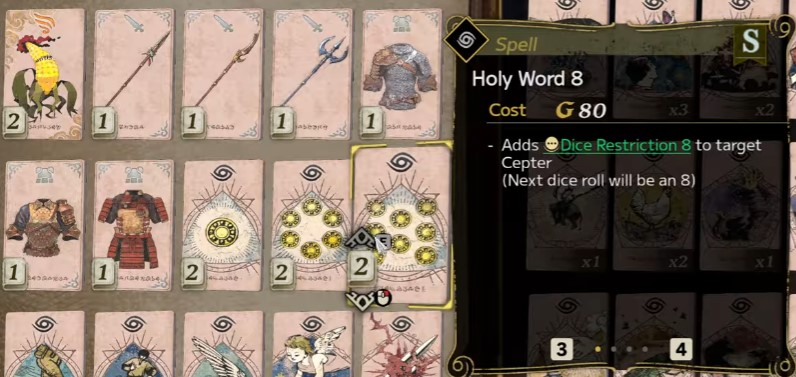
- Holy Word spells lock dice rolls to a single number (Holy Word 1, 3, 6, 8). Use them to land exactly on the territory you want — or to force an opponent onto a bad roll.
- Haste rolls 5–7 for two rounds, giving you a reliable burst of distance when you need to cross the board.
- Slow caps an opponent at 1–3 for two rounds. Pair it with your own fast movement to widen the gap.
- Wind of Hope adds extra movement on top of your dice, useful for reaching distant high-value territories.
- Earth Shift and Water Shift change a territory’s element cheaply — handy for flipping a tile to match your creatures without spending a big card.
Movement is king in Culdcept Begins. If you are unsure what to cut, cut something other than movement first.
Keep Shatter in the Mix
Item cards are how opponents swing tough battles in their favor. Shatter destroys those items outright, which disrupts their plan before the dice even land.
- Run at least one or two Shatter spells in every deck.
- If your movement count is overflowing, trim a single movement spell for an extra Shatter — the disruption is worth the slot.
Being greedy with movement is fine, but leaving yourself with no answer to enemy items hands them free wins on contested territories.
Advanced Deck Tips: Item Control and Compatibility
The 20/10/10 split and dual-element rule get a deck off the ground, but what separates a list that wins campaign games from one that holds up against a thinking opponent is how you handle items. This chapter is about the equipment half of your deck — the cards that decide combat before dice are even rolled.
Stop Guessing What Your Opponent Holds
When you pick a fight, you are often betting on whether the defender will answer with a Sword or a Buckler — and guessing wrong flips the whole exchange. Cards that manipulate or destroy an opponent’s items remove that coin flip. Instead of hoping your attack lines up with their defense, you strip the item out of the equation and let your creature’s stats do the talking.
This matters most in PvP, where a human opponent will punish predictable combat math. Against the campaign AI it is a nice-to-have; against a real player it is close to mandatory.
If you are building for PvP, treat item destruction as a core slot, not a flex pick. It converts combat from a guessing game into a calculated one.
Keep Your Equipment Usable
An item only earns its slot if the creatures in your deck can actually hold it. Before you finalize the item list, check the equip restrictions on your creatures and cross-reference them against what you are packing.
- Favor neutral items. Equipment any creature type can wield stays live no matter which creature you draw — it never sits dead in hand.
- Audit armor against your creature mix. If half your creatures cannot wear armor, those armor cards are effectively blanks. Cut them or swap in something more broadly compatible.
- Match item types to your roster. Confirm which item categories your creatures can equip before committing, so the 10 item slots all pull their weight.
Tuning for Campaign vs. PvP
The balanced dual-element build is strong enough to clear most campaign games as-is. The difference shows up in consistency: a campaign deck can afford one-offs because the AI is forgiving, but a PvP deck cannot.
- For PvP, run 2–3 copies of your key cards so the deck draws its important pieces reliably.
- Trim the one-offs — a singleton that shows up once every few games is a slot you could spend on a card you can count on.
- Keep mana costs spread evenly so you are not stuck holding expensive cards you cannot cast early.
Apply these item-focused adjustments on top of the 20 creatures / 10 items / 10 spells framework and a dual-element spread, and the deck stops being a pile of good cards and starts being a plan.
Build the Book: Ratios, Elements, and Card Picks
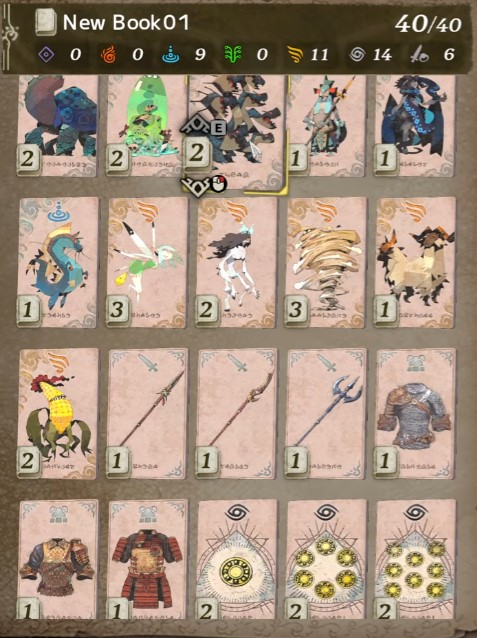
Most early losses in Culdcept Begins come from a book that looks fine on paper but stalls on the board — too many expensive creatures, dead item draws, or a single element that never shows up when you need it. Fix the ratios first, then the picks.
The 20-10-10 Skeleton
Start every beginner book from a fixed card count so your draws stay predictable. The 20-10-10 rule is the baseline: roughly 20 creatures, 10 items, and 10 spells. Creatures are the cards that actually claim and hold territory, so they get the largest share. Items and spells are support — enough to swing a fight or reposition, not so many that you flood your hand with cards you can’t use.
If you find yourself constantly discarding items because no creature is on the board to equip, your creature count is too low. If you run out of answers to enemy creatures, shift a card or two from items into spells.
Stick to Two Elements
Run a dual-element book early rather than spreading across all four. Two elements means your mana tiles are more likely to match the creatures in hand, so you can actually deploy what you draw. A mono-element book is tempting for consistency, but it leaves you with no fallback when the board’s mana colors don’t cooperate.
Wind and water make a strong early pairing — both offer cheap, efficient creatures and complement each other on the map. Keep the split roughly even so neither half of the book starves for matching land.
Cheap Creatures Win the Early Game
Favor low-mana creatures. A cheap body lands on turn one or two, starts generating toll income, and doesn’t strand you waiting for mana. Expensive creatures are fine later, but a beginner book stuffed with high-cost cards spends the first several turns doing nothing while the opponent claims the board.
- Wind picks: lean on low-cost flyers that can reach and contest territory quickly.
- Water picks: cheap creatures that hold ground and trade well without heavy investment.
- Keep a couple of mid-cost creatures as finishers, but don’t let them crowd out the cheap core.
Items: Cheap, Useful, and Mind the Limits
Item cards only matter if they’re cost-effective and actually equippable. Two rules to internalize:
- Respect creature item limits. Some creatures can’t hold certain items — check before you slot a card in, or you’ll draw dead equipment all game.
- Include defensive items. Cards like Eternal Mail keep a key creature alive through an enemy attack, which is often worth more than a flashy weapon.
Keep item costs low so equipping doesn’t drain the mana you need for creatures. A handful of reliable, cheap items beats a pile of situational ones.
Spells: Movement and Removal First
Spend your spell slots on cards that change the board, not minor stat tweaks.
- Movement spells let you reach a contested tile or escape a bad fight — board control in card form.
- Item destruction like Shatter strips an enemy’s equipment mid-fight, flipping battles you’d otherwise lose.
These two categories do the most work for a beginner book. Fill remaining spell slots only after those are covered.
If a card in your book has never been useful in your last few matches, cut it. A tight 40-card book with a clear plan outperforms a bloated one with no focus.
Neutral Items and Late Adjustments
Once the core is set, neutral items give you flexibility — they slot into more situations than element-locked gear. As you learn the board, tune the book around item manipulation and the specific creatures you keep reaching for, trimming anything that sits in hand unused.
Quick Fixes When the Book Underperforms
- Flooding on items with no creature to equip — raise the creature count.
- Stuck waiting on mana — check that your two elements match the lands you actually claim.
- Losing fights you should win — add defensive items and a Shatter-style removal spell.
- High-cost creatures clogging your opening hand — swap them for cheaper bodies that land early.