
I’ve spent a long stretch of time turning empty city blocks into vast seas of asphalt in Car Park Capital, and the thing nobody tells you up front is that this game is not really about parking. It’s about reshaping a whole civilization around the automobile, one lot at a time. What follows is everything I wish I’d known before I laid my first slab of concrete — the systems, the traps, and the interactions that actually matter.
Want to build a sprawling parking empire, figure out how the mechanics really fit together, and help an ordinary city slide into full car dependency? That’s the goal here. I’ve written this to cover the major systems, the strategies that hold up, the scenarios worth your time, and the advice I’d give players whether they just loaded in or they’ve already got a few cities behind them.
One thing before we start: Car Park Capital is in Early Access. Balance shifts between patches, features get added or reworked, and the exact cost of a building today might not be the cost tomorrow. Always double-check numbers and unlock requirements in whatever version you’re currently running.
Getting Started
Your mission here is refreshingly blunt: build an automotive empire. That’s it. But before you can start making money hand over fist, you need to learn the construction tools, read the map in front of you, and get your first profitable operation off the ground.
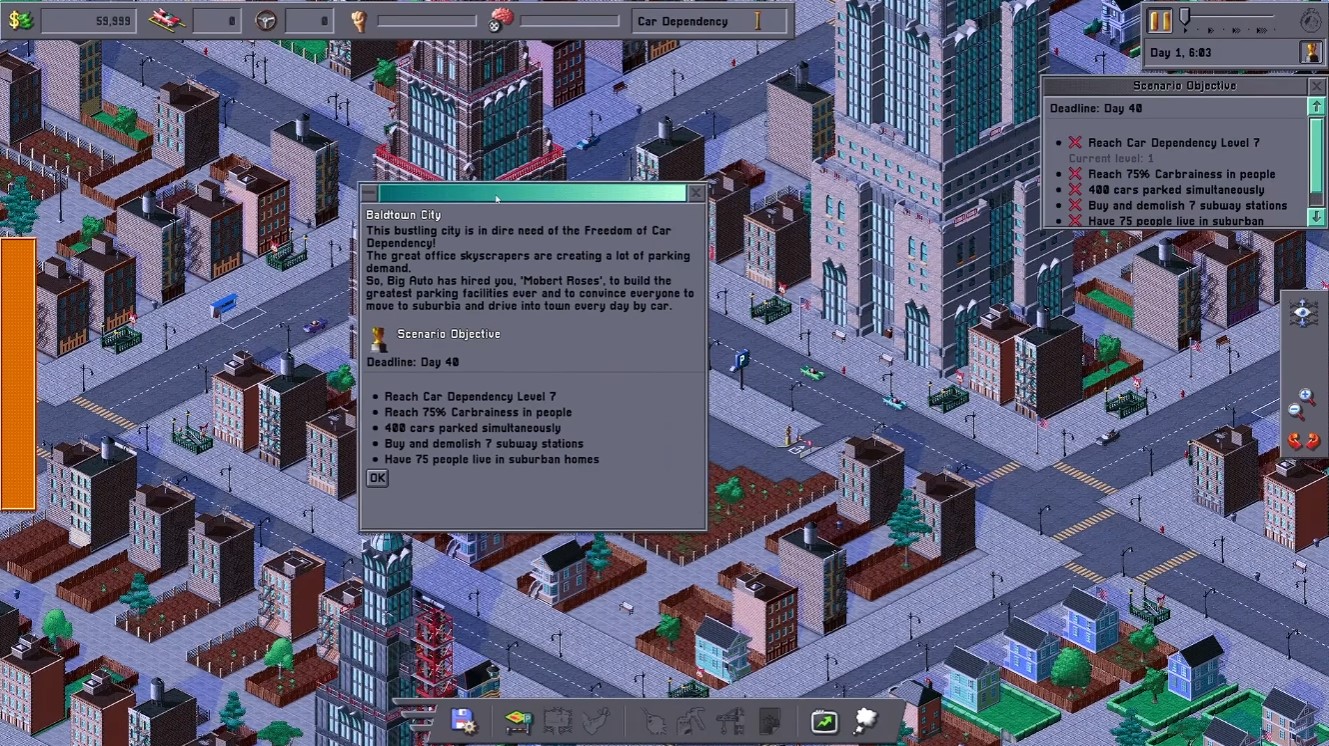
Here’s what I’d focus on first:
Parking: Build facilities for drivers. This is your bread and butter.
Cars: Expand the automobile economy that feeds everything else.
Public opinion: Watch how citizens respond to every decision you make.
Propaganda: Push the car-dependent lifestyle on the masses.
Protests: Deal with the pushback when it inevitably shows up.
Oil: Look into fuel production and industrial development.
Transportation: Compete directly with walking and public transit.
Progression: Unlock more vehicles, buildings, and options as you go.
The real skill is seeing how all of these systems talk to each other. Treating a single building as an isolated investment is the fastest way to watch your money evaporate. Everything connects.
Building Your First Parking Lot
Step 1 — Choose a location. Look for useful ground near roads, buildings, and anywhere with potential demand.
Step 2 — Prepare the land. Use the construction tools you have available to get the chosen area ready.
Step 3 — Build your lot. Follow the placement controls and check through the construction options you’ve got.
Step 4 — Check access. Make sure your new lot connects properly to the surrounding road network.
Step 5 — Monitor performance. Watch the activity, the income, and how citizens react.
Step 6 — Expand when necessary. Add capacity or throw down more lots once the results actually justify the expense.
And remember this one: a huge parking lot is not automatically a good parking lot. Size means nothing if demand and expenses aren’t working in your favor.
Advanced Parking Construction
Once you’re comfortable, start experimenting with the construction tools to create different layouts.
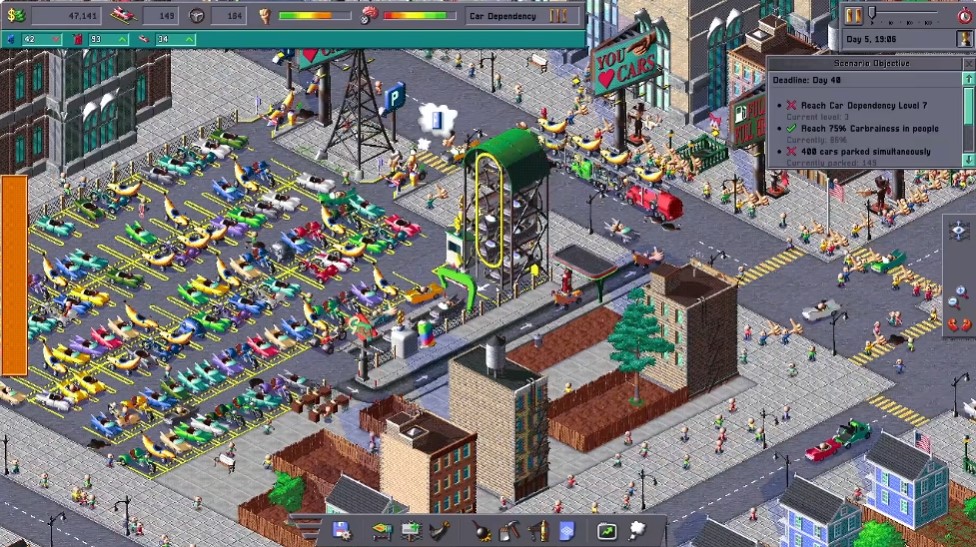
Flat parking: The straightforward choice when you’ve got plenty of land to spare.
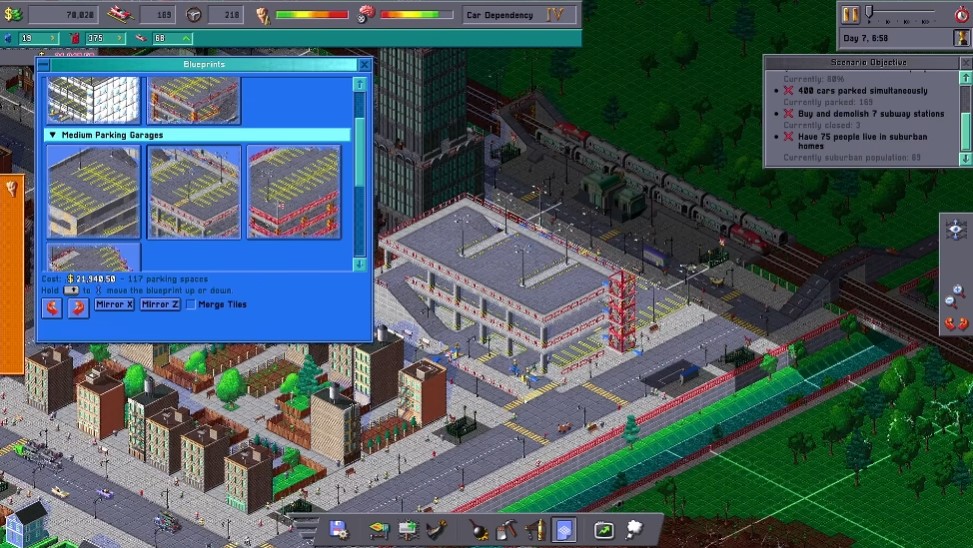
Multilevel parking: Build upward when you want a more compact footprint.
Before you commit to any building, weigh these things:
Land availability, construction expenses, road access, expected demand, nearby buildings, and room for future expansion.
Try out different designs and compare how they perform. And whenever you’re about to attempt a major experiment, save first. You’ll thank yourself.
Citizens and Public Opinion
Citizens are your best information source about how the city is actually functioning. The citizen-thought system lets you dig into dissatisfaction and see how people are responding to what you’ve built.
Ask yourself whether residents are reacting to parking fees, traffic conditions, oil infrastructure, redevelopment, or some other change you made. The answer isn’t always the one you’d guess.
Investigate the problem before you spend money trying to fix it. What’s causing the dissatisfaction matters far more than how much you’re willing to throw at it.
Propaganda and Advertising
The game hands you a satirical toolkit of pro-car propaganda — billboards, statues, megaphones — and lets you run wild with it.
Here’s how I’d experiment: review the available options, check their descriptions and costs, place them where it seems appropriate, watch public opinion shift, and then adjust your approach based on what actually happens.
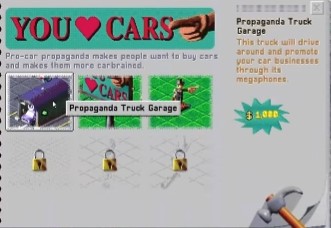
Don’t fall into the trap of assuming every placement works equally well. Experiment, and see what your current version of the game actually rewards.
Managing Protests
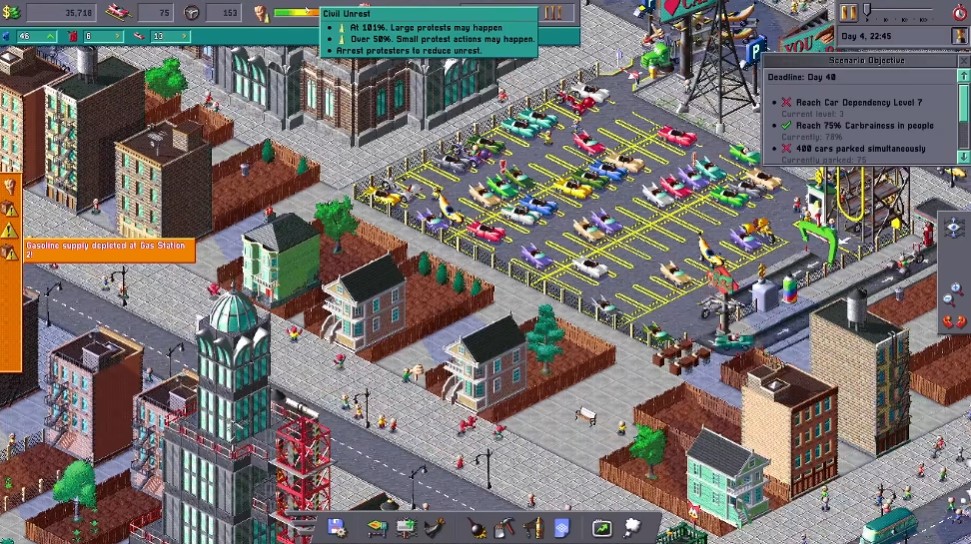
As your empire grows, public opposition can become a real headache. My practical approach looks like this:
Inspect citizen reactions. Identify the likely source of the dissatisfaction. Review whatever management options you’ve got on hand.
And when things get loud — make police everywhere. Make fire everywhere.
If protests keep rolling despite your efforts, stop and rethink your approach. Repeating the same actions without checking the results just burns money.
Oil and Fuel
Oil production opens up another whole arm of the automotive economy. To get started, inspect the available oil-related buildings, check their placement requirements, and review both the construction and operating costs. Build once you can actually afford the investment, then monitor what it does to your economy.
Oil infrastructure is an investment — not a guaranteed instant payout. Understand its requirements fully before you pour significant resources into it.
Traffic and Transportation
This is where Car Park Capital really explores the consequences of automobile dependence, through traffic, public transportation, and other transit options. Keep an eye on road congestion, parking accessibility, vehicle demand, citizen satisfaction, and the alternatives that are available.
And honestly — just make more lanes. LMAO.
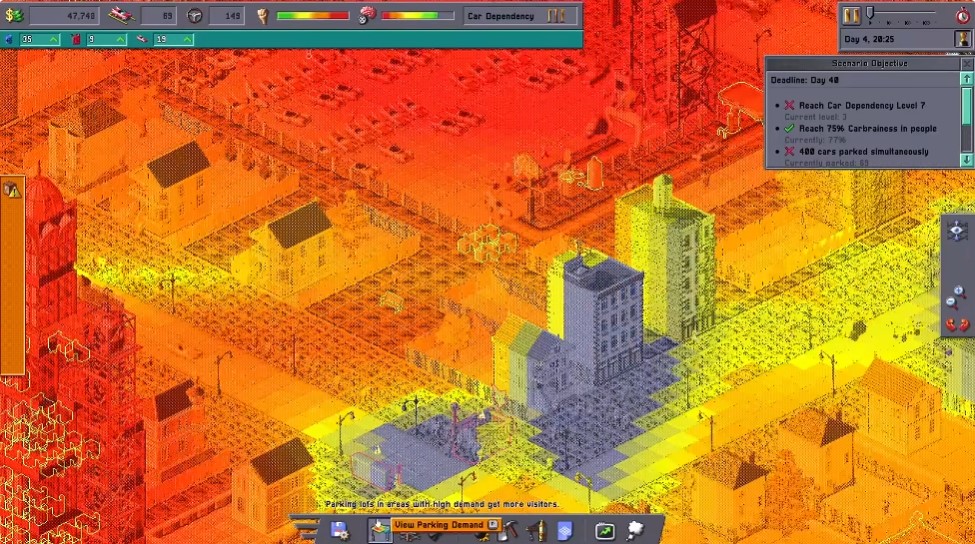
The game even includes unusual ideas like a Ferris wheel for cars. Explore these features once they become available to you.
Money and Economy
Your financial position decides how fast you can expand. Before kicking off any major project, check your available funds, review the project’s cost, and pin down exactly what problem it’s meant to solve. Leave money in reserve for other expenses, and then monitor the results once construction is done.
Track income and expenses together. A building that generates revenue isn’t necessarily profitable once its costs are factored in.
Unlocks and Progression
Progression steadily opens up more options as your city develops. The game’s listed features include unlocking vehicles, buildings, drive-thrus, and production-related options.
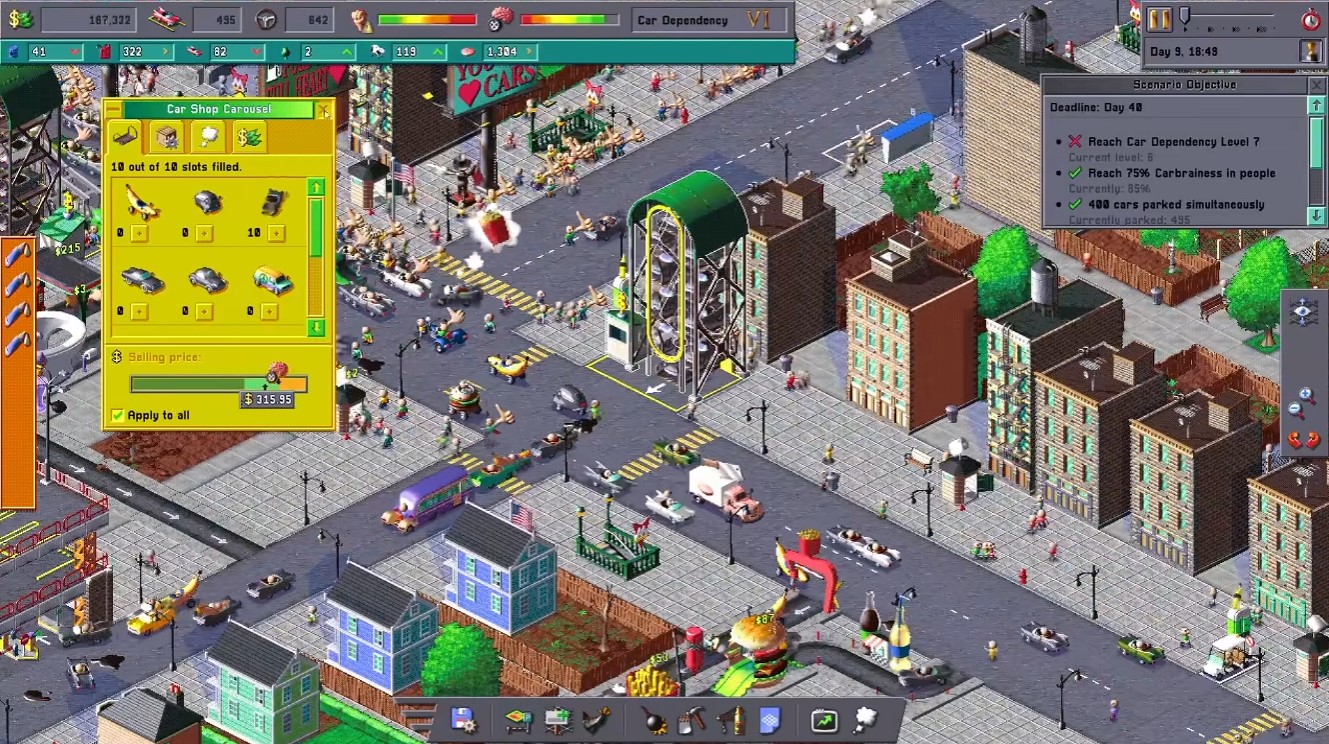
That’s the whole guide. Build smart, watch your citizens, and don’t be afraid to experiment — just save first.